
hanging mirror with lights
Understanding the One-Inch Check Valve Functionality and Applications A check valve is a critical component in many fluid control systems. Specifically, the one-inch check valve plays a vital role in allowing fluids to flow in one direction while preventing backflow, thus maintaining the system's integrity. This article delves into the functionality, types, applications, and maintenance considerations of one-inch check valves. What is a One-Inch Check Valve? A one-inch check valve is typically defined by its nominal size of one inch—meaning it has an inner diameter of approximately one inch. It is designed to automatically prevent backflow without the need for an external power source or operator control. This passive mechanism is essential in various industrial, commercial, and residential applications where maintaining unidirectional flow is crucial for system efficiency and safety. Working Principle The operation of a one-inch check valve revolves around the differential pressure created by the fluid's movement. When fluid flows in the intended direction, it lifts a disc, ball, or flap inside the valve, allowing the flow to pass through. Conversely, when the flow reverses, the disc or ball is pushed back into the seat of the valve, creating a seal that prevents backflow. This simple yet effective mechanism helps maintain system pressure and protects pumps and other system components from potential damage caused by reverse flow. Types of One-Inch Check Valves 1. Swing Check Valve This type features a hinged disc that swings open when the fluid flows in the desired direction and swings closed when the flow reverses. Swing check valves are often used in applications where low-pressure drops are important. 2. Lift Check Valve This valve has a seat and a disc that moves vertically to allow fluid flow. It is more sensitive to flow direction changes and is commonly used in high-pressure applications. 3. Ball Check Valve A ball check valve uses a ball that sits in a seat. When fluid flows in the correct direction, the ball moves away from the seat. When flow stops or reverses, the ball falls back into the seat due to gravity, creating a tight seal. 4. Dual Plate Check Valve This type utilizes two plates that pivot on a hinge, allowing for a compact design. Dual plate check valves are ideal for high-flow applications and are favored in pipeline systems due to their low-pressure drop characteristics. Applications of One-Inch Check Valves One-inch check valves have diverse applications across various industries one inch check valve - Water and Wastewater Management These valves are commonly used in municipal water systems to prevent backflow and contamination in drinking water supplies. - Pumping Systems In commercial and industrial applications, one-inch check valves protect pumps by preventing backflow, ensuring they operate efficiently and reducing wear and tear. - HVAC Systems In heating, ventilation, and air conditioning systems, check valves help maintain flow direction and stabilize system pressure, improving overall efficiency . - Fire Protection Systems Used in fire sprinkler systems, check valves ensure that water flows correctly, allowing for rapid response during a fire emergency. - Manufacturing Processes In various manufacturing settings, these valves are essential for controlling fluid flow in production lines and preventing cross-contamination between product batches. Maintenance Considerations Proper maintenance of one-inch check valves is essential for reliable operation. Here are some key maintenance practices - Regular Inspections Periodically examine the valve for signs of wear, leakage, or corrosion. Early detection of issues can prevent significant failures. - Cleaning Ensure that the valve and seat are clear of debris and buildup that can hinder operation. - Replacement of Worn Parts If the disc, ball, or internal components are worn, replace them promptly to maintain optimal performance. - Monitoring System Pressure Maintaining appropriate pressure levels within the piping system can prolong the life of the check valve and enhance its reliability. Conclusion The one-inch check valve is an indispensable component in fluid control systems, playing a crucial role in preventing backflow and ensuring efficient operation. Understanding its functionality, types, applications, and maintenance needs is vital for anyone involved in plumbing, manufacturing, or facility management. With proactive care and appropriate application, one-inch check valves can significantly enhance system reliability and safety.
about
hanging mirror with lights
Levels of Spirits Understanding the Dynamics of Emotional and Mental States The concept of levels of spirits pertains not only to the emotional wellbeing of individuals but also to the broader spectrum of human experience. From the ebbs and flows of daily life to the enduring influence of our environment and relationships, our spirits can fluctuate dramatically. This intricate interplay defines how we perceive our world and how we engage with it. Understanding Spirits At its core, spirits refer to the emotional and psychological states that can range from high vibrancy and joy to deep despair and lethargy. These levels can be influenced by numerous factors, including personal experiences, social interactions, physical health, and even external circumstances. Understanding this framework is essential for promoting mental health and well-being. The Spectrum of Spirits 1. High Spirits When individuals experience high spirits, they typically exhibit feelings of joy, enthusiasm, and a zest for life. This state is characterized by increased energy levels, optimism, and a sense of fulfillment. People in high spirits are often more productive and creative, leading them to proactively tackle challenges and pursue their goals. 2. Moderate Spirits In this state, individuals feel relatively stable and secure but may not be experiencing the heightened joy that characterizes high spirits. This balanced level often allows people to manage their responsibilities effectively, engage in social interactions, and appreciate the small pleasures in life. Moderate spirits can serve as a foundation for growth and achievement. 3. Low Spirits Low spirits can manifest as feelings of sadness, anxiety, or frustration. This emotional state can arise from several causes, including stressors in personal life, work-related pressures, or health concerns. While experiencing low spirits is a natural part of life, prolonged periods in this state can lead to more serious mental health challenges, such as depression or anxiety disorders. 4. Very Low Spirits This level is often seen in situations of significant distress. Individuals may feel hopeless or disconnected from their surroundings, leading to a state of emotional numbness. It is crucial to recognize when one has reached this level, as it often requires intervention. Reaching out for help or finding support systems is vital for recovery and moving back towards higher levels of spirits. Influencing Factors Several factors influence our spirits and how they fluctuate. These include levels of spirits - Social Connections Relationships play a significant role in shaping emotional levels. Supportive friends and family can uplift an individual’s spirits, while toxic relationships may contribute to low spirits. - Physical Health Physical well-being is closely intertwined with emotional health. A balanced diet, regular exercise, and sufficient sleep can enhance overall mood and energy levels. - Mindfulness and Self-Care Engaging in practices like meditation, journaling, and self-reflection can facilitate a deeper understanding of one’s feelings and improve emotional regulation. Self-care rituals also provide necessary breaks from daily stressors. - Environmental Factors The surrounding environment, including workplace culture, community support, and climate conditions, can heavily impact spirit levels. A positive and nurturing environment can foster higher spirits. Moving Between Levels Understanding that our spirits can fluctuate is crucial. During challenging times, it is essential to remember that it is normal to experience low spirits. Implementing strategies to transition back to higher levels can be beneficial - Seek Support Connecting with loved ones or mental health professionals can provide guidance and encouragement during difficult phases. - Engage in Activities Participating in hobbies or activities that bring joy can elevate spirits. Exercise, art, and community involvement can be especially helpful. - Practice Gratitude Focusing on positive aspects of life can shift perspective and cultivate a sense of appreciation, enhancing overall spirit levels. In conclusion, the levels of spirits encompass a range of emotional and psychological states that profoundly impact our lives. Understanding these levels, recognizing their fluctuations, and learning strategies to navigate them is vital for personal fulfillment and well-being. As we become more aware of our emotional dynamics, we empower ourselves to foster resilience and lead a more balanced life.
-

High quality industrial productsagement

High quality industrial products
View Details -

Meet the diverse needs of customers

Meet the diverse needs of customers
View Details -

Strict quality control

Strict quality control
View Details -

Top raw materials

Top raw materials
View Details -

Trusted supplier

Trusted supplier
View Details
Our application

news and information
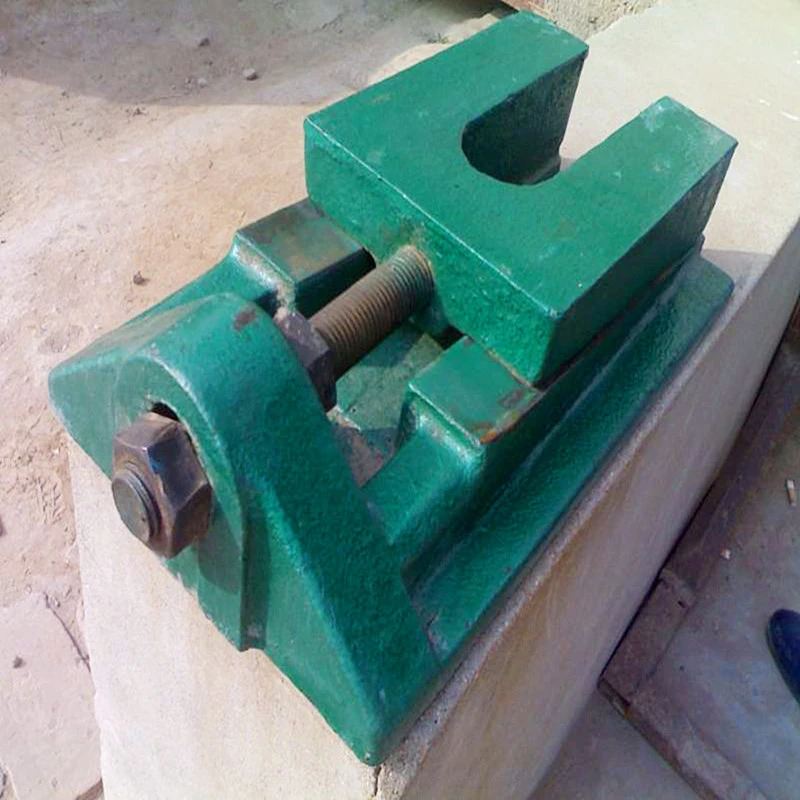
Venda de válvulas de retenção
Válvulas de Retenção A Escolha Perfeita para Seu Sistema Hidráulico As válvulas de retenção, também
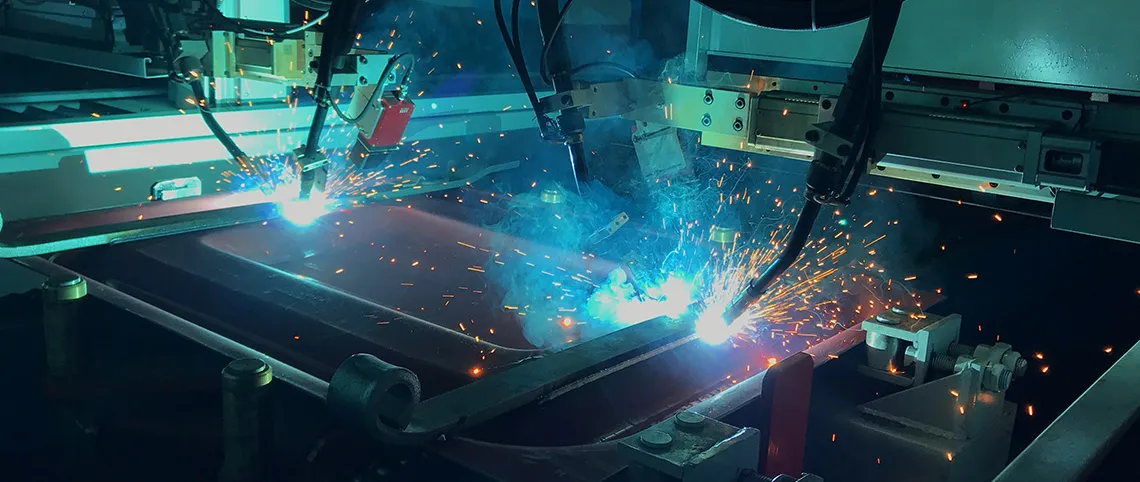
Versatile 3x4 Welding Table for Efficient Metal Fabrication and Projects
The Versatility of a 3x4 Welding Table In any metalworking shop, the tools and work surfaces can sig
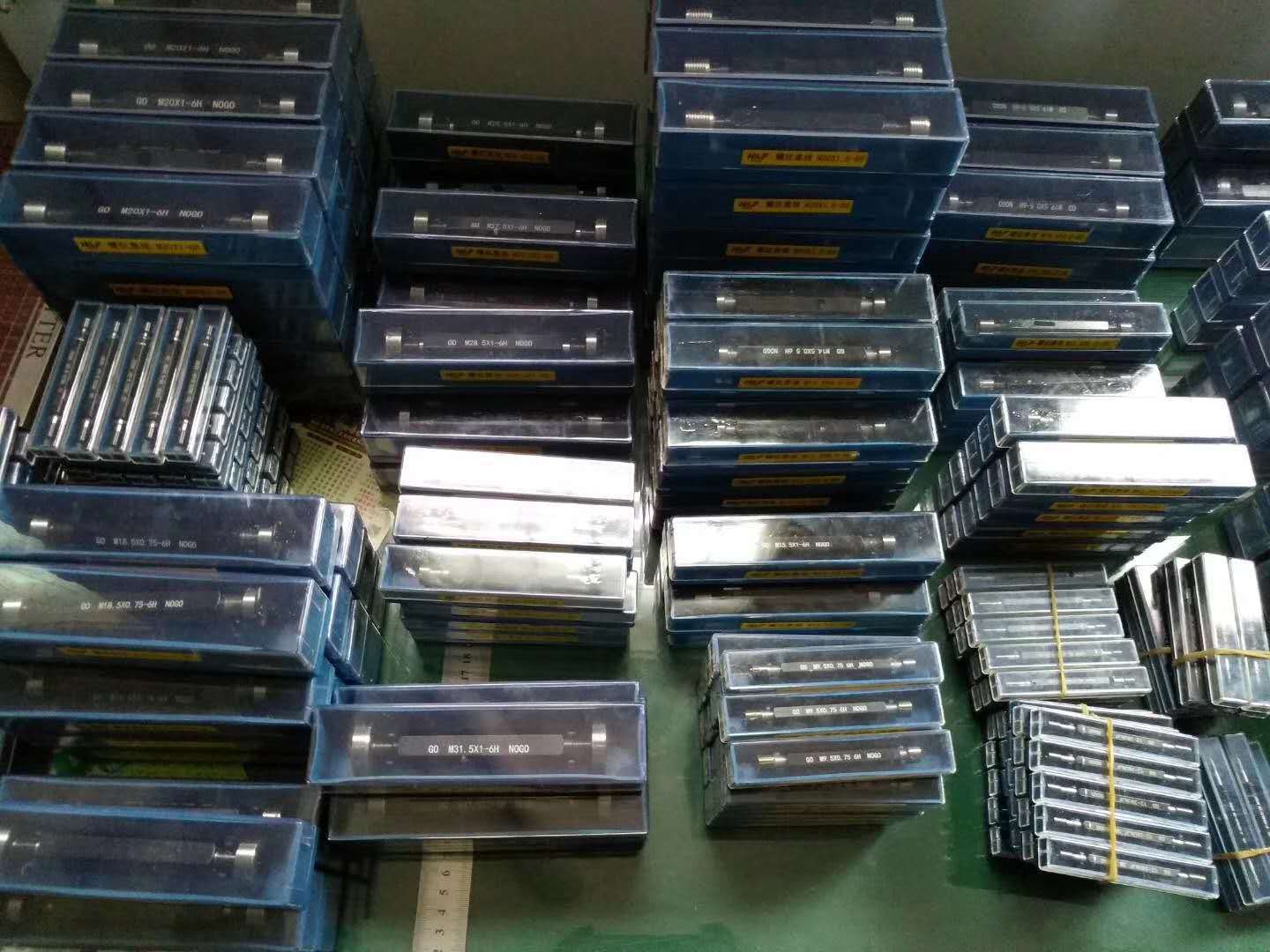
Using a Level Ruler for Accurate Measurements and Alignment in DIY Projects
The Importance of a Spirit Level Ruler in Construction and DIY Projects A spirit level ruler is an i
 English